
-
Table of Contents
Bloodwork Before, During, and After Acetato di Metenolone: A Comprehensive Guide
Acetato di Metenolone, also known as Primobolan, is a popular anabolic steroid used by athletes and bodybuilders to enhance performance and muscle growth. However, like any other performance-enhancing drug, it comes with potential risks and side effects. That’s why it is crucial to monitor bloodwork before, during, and after using acetato di metenolone to ensure safety and effectiveness.
What is Acetato di Metenolone?
Acetato di Metenolone is a synthetic derivative of dihydrotestosterone (DHT), a naturally occurring hormone in the body. It was first developed in the 1960s and has been used for medical purposes such as treating muscle wasting diseases and anemia. However, it is more commonly used for its anabolic properties in the sports and bodybuilding community.
Acetato di Metenolone is available in both oral and injectable forms, with the injectable form being more popular due to its longer half-life and lower risk of liver toxicity. It is classified as a Schedule III controlled substance in the United States, meaning it has a potential for abuse and is only available with a prescription.
How Does Acetato di Metenolone Work?
Acetato di Metenolone works by binding to androgen receptors in the body, which leads to an increase in protein synthesis and nitrogen retention. This results in an increase in muscle mass, strength, and performance. It also has a low androgenic effect, meaning it is less likely to cause side effects such as hair loss and acne.
However, like any other anabolic steroid, acetato di metenolone can also have adverse effects on the body, especially when used in high doses or for prolonged periods. That’s why it is essential to monitor bloodwork before, during, and after using this drug.
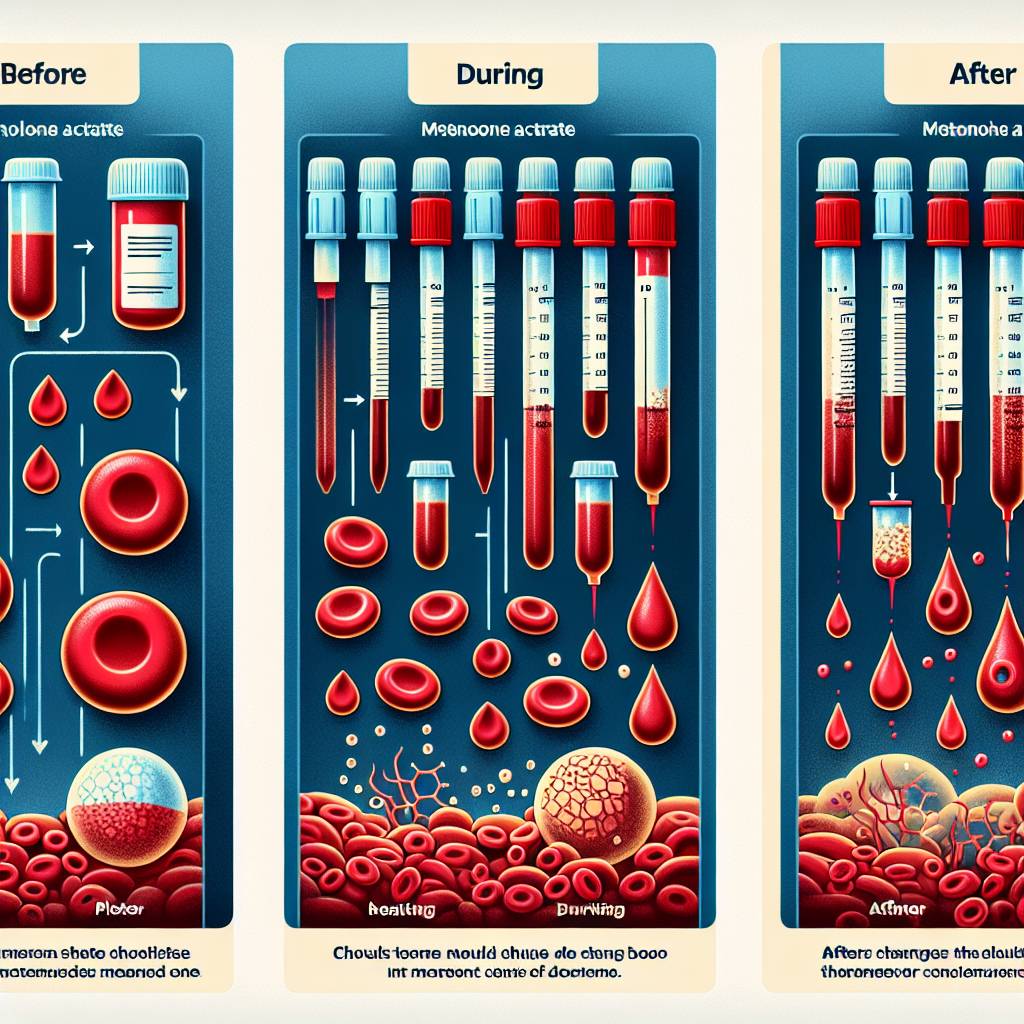
Bloodwork Before Using Acetato di Metenolone
Before starting a cycle of acetato di metenolone, it is crucial to get a comprehensive bloodwork panel done. This will provide a baseline of your body’s hormone levels and overall health. It will also help identify any underlying medical conditions that may be affected by the use of this drug.
The following are some of the key parameters that should be included in the bloodwork before using acetato di metenolone:
- Testosterone levels: Acetato di metenolone can suppress natural testosterone production, so it is essential to check your testosterone levels before starting the cycle.
- Liver function: As acetato di metenolone is metabolized by the liver, it is crucial to check liver enzymes to ensure the drug is not causing any damage to this vital organ.
- Cholesterol levels: Anabolic steroids can have a negative impact on cholesterol levels, so it is essential to check your lipid profile before starting the cycle.
- Red blood cell count: Acetato di metenolone can increase red blood cell production, which can lead to thickening of the blood and increase the risk of cardiovascular events. Checking your red blood cell count before starting the cycle can help identify any potential risks.
Based on the results of the bloodwork, your doctor or healthcare provider can determine if you are a suitable candidate for using acetato di metenolone and make any necessary adjustments to your cycle or dosage.
Bloodwork During Acetato di Metenolone Cycle
While using acetato di metenolone, it is essential to monitor your bloodwork regularly to ensure the drug is not causing any adverse effects on your body. The frequency of bloodwork may vary depending on the length of your cycle and the dosage used. However, it is recommended to get bloodwork done at least once every 4-6 weeks.
The following are some of the key parameters that should be included in the bloodwork during an acetato di metenolone cycle:
- Testosterone levels: As mentioned earlier, acetato di metenolone can suppress natural testosterone production, so it is crucial to monitor your testosterone levels during the cycle.
- Liver function: Regular monitoring of liver enzymes can help detect any potential liver damage caused by the drug.
- Cholesterol levels: Anabolic steroids can have a negative impact on cholesterol levels, so it is essential to keep an eye on your lipid profile during the cycle.
- Red blood cell count: As acetato di metenolone can increase red blood cell production, it is crucial to monitor your red blood cell count to prevent any potential risks.
- Blood pressure: Anabolic steroids can cause an increase in blood pressure, so it is essential to monitor your blood pressure regularly during the cycle.
Regular bloodwork during the cycle can help identify any potential issues and allow for timely intervention to prevent any long-term damage to your health.
Bloodwork After Acetato di Metenolone Cycle
Once you have completed your cycle of acetato di metenolone, it is crucial to get a comprehensive bloodwork panel done again. This will help determine if the drug has caused any adverse effects on your body and if your body has returned to its natural hormone levels.
The following are some of the key parameters that should be included in the bloodwork after an acetato di metenolone cycle:
- Testosterone levels: As mentioned earlier, acetato di metenolone can suppress natural testosterone production, so it is crucial to check your testosterone levels after the cycle to ensure they have returned to normal.
- Liver function: As acetato di metenolone is metabolized by the liver, it is essential to check liver enzymes to ensure the drug has not caused any long-term damage to this vital organ.
- Cholesterol levels: Anabolic steroids can have a negative impact on cholesterol levels, so it is essential to check your lipid profile after the cycle to ensure they have returned to normal.
- Red blood cell count: As acetato di metenolone can increase red blood cell production, it is crucial to monitor your red blood cell count after the cycle to prevent any potential risks.
Based on the results of the bloodwork, your doctor or healthcare provider can determine if any further intervention or treatment is needed to help your body recover from the effects of the drug.
Expert Opinion
According to a study published in the Journal of Clinical Endocrinology and Metabolism, the use of anabolic steroids such as acetato di metenolone can