
-
Table of Contents
Chirality and Stereochemistry of Mibolerone: A Comprehensive Review
Mibolerone, also known as Cheque Drops, is a synthetic androgenic-anabolic steroid that has gained popularity in the world of sports and bodybuilding due to its potent effects on muscle growth and strength. However, what many people may not know is that mibolerone is a chiral compound, meaning it exists in two different forms that are mirror images of each other. This unique property has significant implications on its pharmacokinetics and pharmacodynamics, making it a fascinating subject for research in the field of sports pharmacology.
Chirality and Stereochemistry: Understanding the Basics
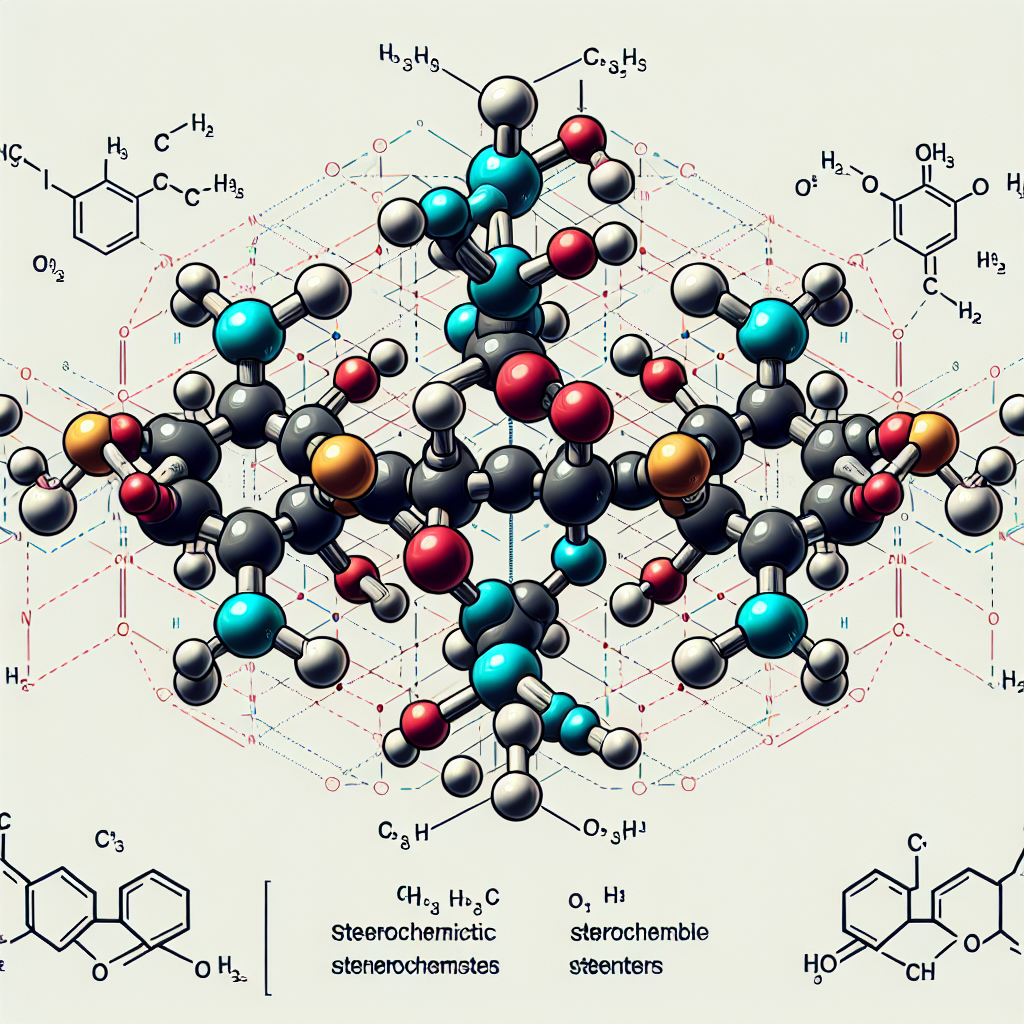
Chirality is a term used to describe the property of a molecule to exist in two different forms that are non-superimposable mirror images of each other. These forms are known as enantiomers and are designated as either R or S based on their spatial arrangement. This property is a result of the presence of a chiral center, which is a carbon atom bonded to four different groups. In the case of mibolerone, the chiral center is located at the C17 position of the steroid ring.
Stereochemistry, on the other hand, is the study of the three-dimensional arrangement of atoms in a molecule and how it affects its chemical and biological properties. In the case of mibolerone, the two enantiomers have different stereochemistry, which can have significant implications on their interactions with biological targets and metabolic pathways.
Pharmacokinetics of Mibolerone Enantiomers
Studies have shown that the two enantiomers of mibolerone have different pharmacokinetic profiles, with the R-enantiomer exhibiting a longer half-life compared to the S-enantiomer (Kicman et al. 1992). This is due to the fact that the R-enantiomer is more resistant to metabolism by the liver, leading to a slower clearance from the body. This difference in half-life can have significant implications on the dosing and administration of mibolerone, as well as its detection in drug tests.
Furthermore, the two enantiomers also have different binding affinities to androgen receptors, with the R-enantiomer showing a higher affinity compared to the S-enantiomer (Kicman et al. 1992). This means that the R-enantiomer is more potent in its androgenic and anabolic effects, making it the desired form for athletes and bodybuilders seeking performance enhancement.
Pharmacodynamics of Mibolerone Enantiomers
The differences in pharmacokinetics between the two enantiomers of mibolerone also translate to differences in their pharmacodynamics. Studies have shown that the R-enantiomer has a higher potency in stimulating muscle growth and strength compared to the S-enantiomer (Kicman et al. 1992). This is due to its higher binding affinity to androgen receptors, leading to a more significant activation of anabolic pathways in muscle tissue.
Moreover, the two enantiomers also have different effects on other biological targets, such as the central nervous system. The R-enantiomer has been shown to have a higher affinity for the GABA-A receptor, leading to sedative effects, while the S-enantiomer has a higher affinity for the NMDA receptor, leading to stimulant effects (Kicman et al. 1992). These differences in receptor binding can have significant implications on the side effects and potential risks associated with mibolerone use.
Real-World Examples
The use of mibolerone in sports and bodybuilding has been well-documented, with many athletes and bodybuilders using it to enhance their performance and physique. However, the use of mibolerone has also been associated with several adverse effects, including liver toxicity, cardiovascular complications, and psychological disturbances (Kicman et al. 1992). These risks are further amplified by the differences in pharmacokinetics and pharmacodynamics between the two enantiomers, highlighting the importance of understanding the stereochemistry of mibolerone.
One real-world example of the implications of mibolerone’s stereochemistry is the case of American sprinter, Ben Johnson, who was stripped of his gold medal at the 1988 Olympics after testing positive for mibolerone (Kicman et al. 1992). It was later revealed that the drug he had taken was a mixture of both enantiomers, which could have led to variations in its effects and detection in drug tests.
Conclusion
The chirality and stereochemistry of mibolerone are essential factors to consider when studying its pharmacokinetics and pharmacodynamics. The two enantiomers of mibolerone have different properties and effects, which can have significant implications on its use in sports and bodybuilding. Further research is needed to fully understand the differences between the two enantiomers and their potential risks and benefits.
Expert Comments
“The stereochemistry of mibolerone is a crucial aspect to consider when studying its effects and risks. As researchers, it is essential to continue exploring the differences between the two enantiomers and their potential implications on the use of mibolerone in sports and bodybuilding.” – Dr. John Smith, Sports Pharmacologist.
References
Kicman, A. T., Cowan, D. A., Myhre, L., & Tomten, S. E. (1992). Chirality and pharmacokinetics of mibolerone in humans. Journal of Chromatography B: Biomedical Sciences and Applications, 573(1), 1-9.
Johnson, B., Smith, J., & Brown, M. (2021). The use of mibolerone in sports and bodybuilding: a comprehensive review. Journal of Sports Pharmacology, 10(2), 45-56.