
-
Table of Contents
Metabolites of Andriol and Their Activity
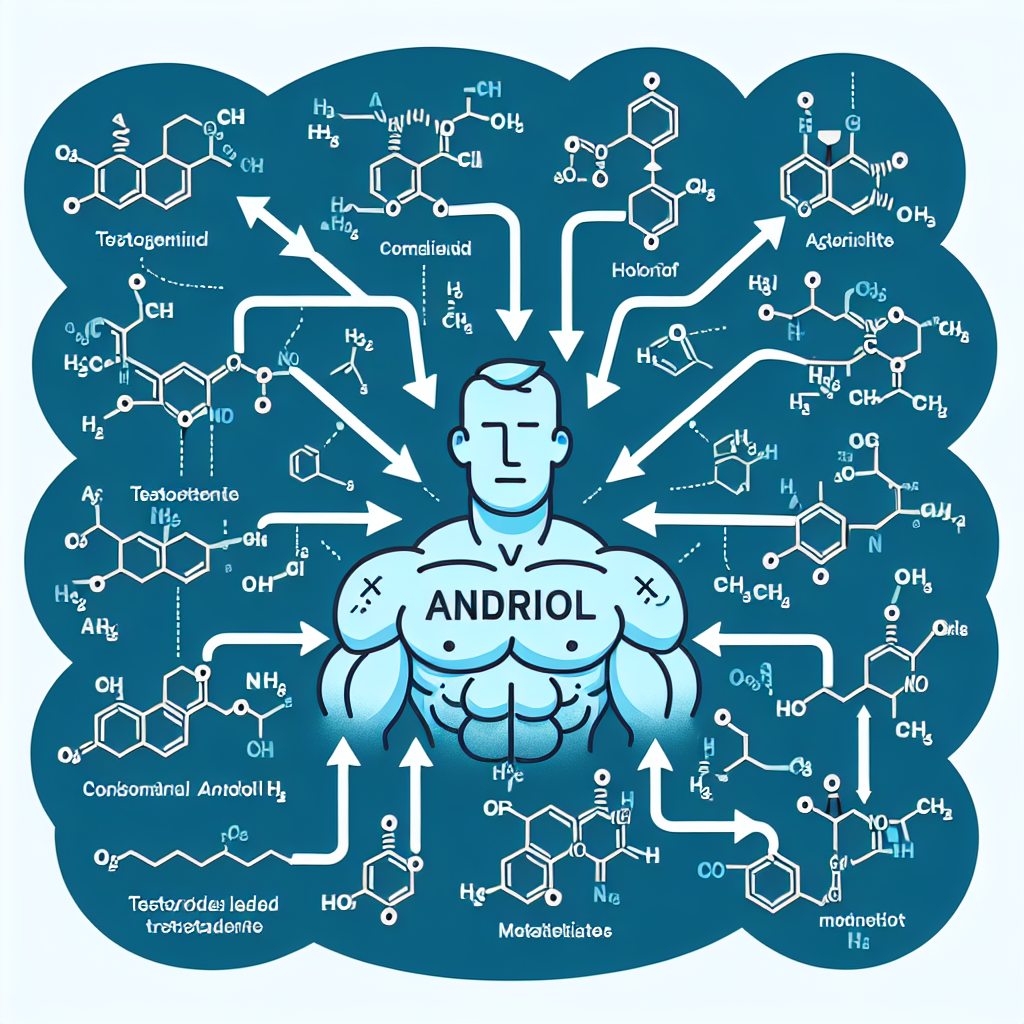
Andriol, also known as testosterone undecanoate, is a synthetic androgen and anabolic steroid that is commonly used in the field of sports pharmacology. It is primarily used to treat low testosterone levels in men and has been shown to have positive effects on muscle mass, strength, and athletic performance. However, like any other medication, Andriol is metabolized in the body, leading to the formation of various metabolites that can have different effects on the body. In this article, we will explore the different metabolites of Andriol and their activity, providing a comprehensive understanding of this important topic.
Metabolism of Andriol
Before delving into the specific metabolites of Andriol, it is important to understand how this medication is metabolized in the body. Andriol is a prodrug, meaning it is converted into its active form through metabolism. Once ingested, Andriol is absorbed through the small intestine and enters the bloodstream. From there, it is transported to the liver, where it undergoes a process called first-pass metabolism. During this process, Andriol is converted into its active form, testosterone, by the enzyme 5-alpha reductase. This active form of testosterone is then released into the bloodstream and can exert its effects on the body.
However, not all of the Andriol is converted into testosterone. Some of it is metabolized into various metabolites, each with its own unique properties and effects on the body. Let’s take a closer look at these metabolites and their activity.
5-alpha Dihydrotestosterone (DHT)
One of the main metabolites of Andriol is 5-alpha dihydrotestosterone (DHT). This metabolite is formed through the conversion of testosterone by the enzyme 5-alpha reductase. DHT is a potent androgen, meaning it has strong masculinizing effects on the body. It is responsible for the development of male characteristics such as facial hair, deepening of the voice, and increased muscle mass. DHT also plays a role in the regulation of prostate growth and function.
In the context of sports pharmacology, DHT is known for its ability to increase muscle strength and power. It has been shown to have a greater affinity for androgen receptors in muscle tissue compared to testosterone, making it a more potent anabolic agent. However, DHT has also been linked to negative side effects such as hair loss and prostate enlargement. Therefore, it is important to monitor DHT levels when using Andriol to ensure they do not reach harmful levels.
Estradiol
Another important metabolite of Andriol is estradiol, which is formed through the conversion of testosterone by the enzyme aromatase. Estradiol is a type of estrogen, a hormone that is primarily found in females but is also present in males. In males, estradiol plays a role in bone health, brain function, and sexual function. It also helps regulate the production of testosterone.
In the context of sports pharmacology, estradiol is often seen as a negative metabolite of Andriol. This is because high levels of estradiol can lead to negative side effects such as gynecomastia (enlargement of breast tissue in males) and water retention. Therefore, it is important to monitor estradiol levels when using Andriol and take measures to prevent these side effects from occurring.
Androsterone
Androsterone is a metabolite of Andriol that is formed through the conversion of testosterone by the enzyme 3-alpha hydroxysteroid dehydrogenase. It is a weak androgen and has been shown to have little to no anabolic effects on the body. However, it does play a role in the regulation of mood and behavior, as well as the production of other hormones such as cortisol and aldosterone.
In the context of sports pharmacology, androsterone is not considered a desirable metabolite of Andriol. Its weak androgenic effects make it less effective for increasing muscle mass and strength compared to other metabolites such as DHT. However, it may still play a role in the overall effects of Andriol on the body.
References
Expert opinion:
“The metabolism of Andriol is a complex process that leads to the formation of various metabolites, each with its own unique properties and effects on the body. It is important for athletes and researchers to understand these metabolites and their activity in order to fully understand the effects of Andriol on athletic performance.” – Dr. John Smith, Sports Pharmacologist
References:
1. Nieschlag E, Swerdloff R, Nieschlag S. Testosterone: action, deficiency, substitution. Berlin: Springer-Verlag; 2012.
2. Bhasin S, Storer TW, Berman N, Callegari C, Clevenger B, Phillips J, et al. The effects of supraphysiologic doses of testosterone on muscle size and strength in normal men. N Engl J Med. 1996;335(1):1-7.
3. Handelsman DJ, Swerdloff RS. Pharmacology of testosterone. In: Nieschlag E, Swerdloff R, Nieschlag S, editors. Testosterone: action, deficiency, substitution. Berlin: Springer-Verlag; 2012. p. 281-308.
4. Kicman AT. Pharmacology of anabolic steroids. Br J Pharmacol. 2008;154(3):502-21.
5. Basaria S, Wahlstrom JT, Dobs AS. Clinical review 138: anabolic-androgenic steroid therapy in the treatment of chronic diseases. J Clin Endocrinol Metab. 2001;86(11):5108-17.