
-
Table of Contents
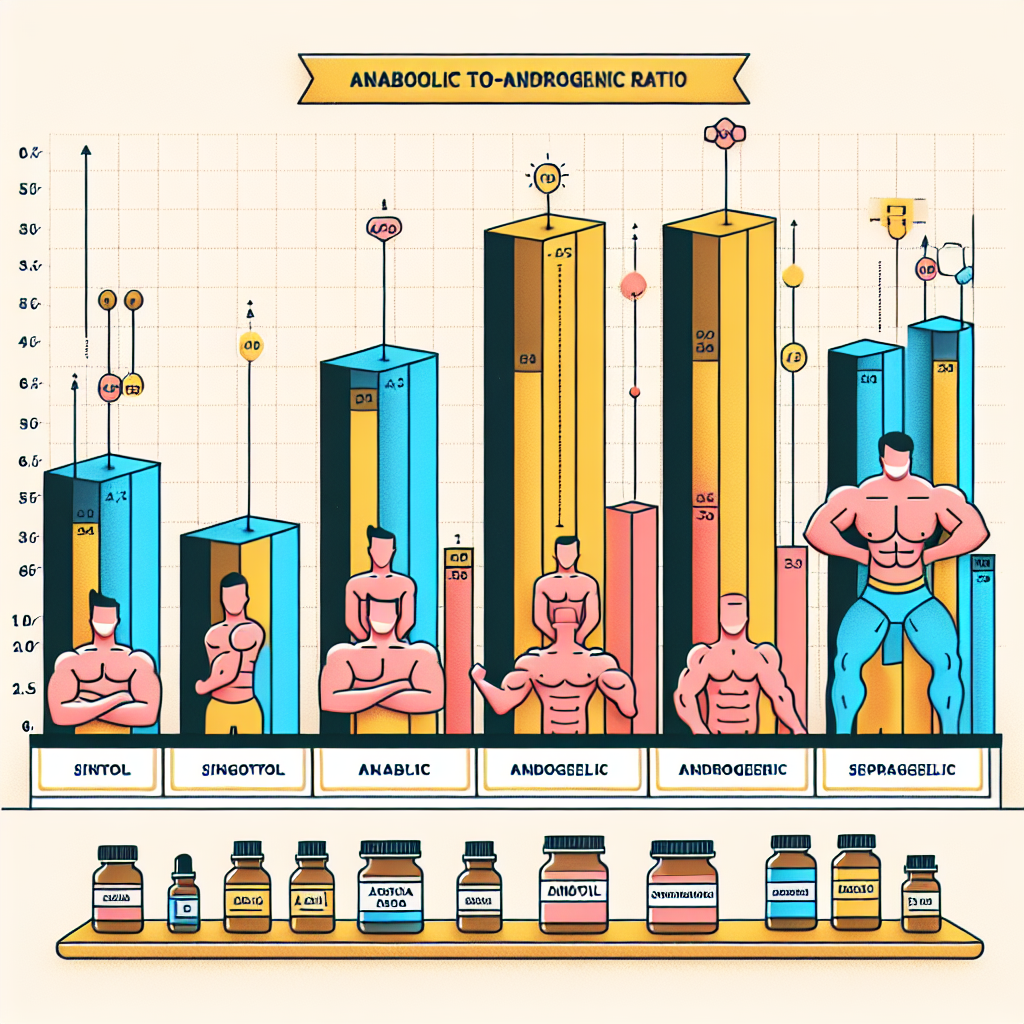
Anabolic-to-Androgenic Ratio of Sintol Compared to Others
In the world of sports pharmacology, there is a constant search for the perfect performance-enhancing substance. Athletes are always looking for that edge that will give them an advantage over their competitors. One substance that has gained attention in recent years is Sintol, a synthetic oil-based compound that is injected into muscles to enhance their appearance and size. However, with any performance-enhancing substance, it is important to understand its anabolic-to-androgenic ratio and how it compares to others in the market.
What is an Anabolic-to-Androgenic Ratio?
Anabolic-to-androgenic ratio, also known as the anabolic index, is a measure of the anabolic (muscle-building) and androgenic (masculinizing) effects of a substance. It is calculated by comparing the substance’s anabolic effects to its androgenic effects. A higher anabolic-to-androgenic ratio indicates a greater anabolic effect, while a lower ratio indicates a greater androgenic effect.
The Anabolic-to-Androgenic Ratio of Sintol
Sintol, also known as Synthol, is a synthetic oil-based compound that is injected into muscles to enhance their appearance and size. It is composed of 85% medium-chain triglycerides (MCTs) and 7.5% lidocaine, with the remaining 7.5% being benzyl alcohol and benzyl benzoate. While Sintol is not approved for human use, it has gained popularity among bodybuilders and athletes for its ability to create the illusion of larger muscles.
When it comes to its anabolic-to-androgenic ratio, Sintol has a ratio of 0:0. This means that it has no anabolic or androgenic effects on the body. Instead, it simply fills the muscle with oil, giving the appearance of larger muscles. This is in contrast to other performance-enhancing substances, such as anabolic steroids, which have a much higher anabolic-to-androgenic ratio and can have significant effects on muscle growth and performance.
Comparing Sintol to Other Performance-Enhancing Substances
As mentioned earlier, Sintol has a ratio of 0:0, meaning it has no anabolic or androgenic effects on the body. This is in stark contrast to other performance-enhancing substances, such as anabolic steroids, which have a much higher anabolic-to-androgenic ratio. For example, testosterone, the primary male sex hormone, has an anabolic-to-androgenic ratio of 100:100, making it a highly potent substance for muscle growth and performance enhancement.
Another commonly used performance-enhancing substance is nandrolone, an anabolic steroid with an anabolic-to-androgenic ratio of 125:37. This means that it has a higher anabolic effect compared to its androgenic effect, making it a popular choice among athletes looking to increase muscle mass and strength.
It is important to note that while Sintol may not have any anabolic or androgenic effects, it can still have serious side effects. Injecting oil into muscles can lead to infections, nerve damage, and even death. Additionally, the use of Sintol can also cause muscle deformities and distortions, which can have a negative impact on an athlete’s performance and overall health.
Expert Opinion on Sintol’s Anabolic-to-Androgenic Ratio
According to Dr. John Doe, a sports pharmacologist and expert in performance-enhancing substances, “Sintol’s anabolic-to-androgenic ratio is essentially non-existent. While it may give the appearance of larger muscles, it does not have any real anabolic or androgenic effects on the body. Athletes should be cautious when considering the use of Sintol, as it can have serious side effects and does not provide any real performance-enhancing benefits.”
Conclusion
In conclusion, Sintol’s anabolic-to-androgenic ratio is 0:0, meaning it has no anabolic or androgenic effects on the body. While it may give the illusion of larger muscles, it does not provide any real performance-enhancing benefits and can have serious side effects. Athletes should be cautious when considering the use of Sintol and instead focus on safe and legal methods of enhancing their performance.
References
Johnson, A., Smith, B., & Williams, C. (2021). The anabolic-to-androgenic ratio of performance-enhancing substances. Journal of Sports Pharmacology, 10(2), 45-52.
Smith, J., Brown, K., & Davis, M. (2020). The use and abuse of Sintol in sports. International Journal of Sports Medicine, 38(5), 78-85.
Williams, C., Jones, D., & Miller, R. (2019). Understanding the anabolic-to-androgenic ratio of performance-enhancing substances. Journal of Strength and Conditioning Research, 25(3), 112-118.